Get Basement Drainage Installation
Basement drainage installation services help property owners prevent water damage and flooding by installing effective drainage systems in new or existing basements.
Basement drainage installation is a key consideration for property owners looking to protect their homes from water intrusion and related issues. Properly planned drainage solutions can help prevent flooding, reduce moisture buildup, and safeguard the foundation over time. If you're exploring options to improve your basement’s drainage system, you're in the right place to find experienced local contractors who specialize in this work. Comparing different service providers can ensure you select a solution that fits your property’s unique needs and provides long-term peace of mind.
Many property owners in the area turn to local service providers for basement drainage installation because of their familiarity with regional conditions and building codes. Whether dealing with persistent dampness or preparing for upcoming weather challenges, working with local contractors offers practical benefits. Keep reading to learn more about how professional drainage solutions can help protect your property and to discover ways to connect with trusted local experts in your community.
- Basement waterproofing - when excess water or moisture is seeping into a basement area.
- Drainage system installation - to prevent water accumulation around the foundation during heavy rainfall.
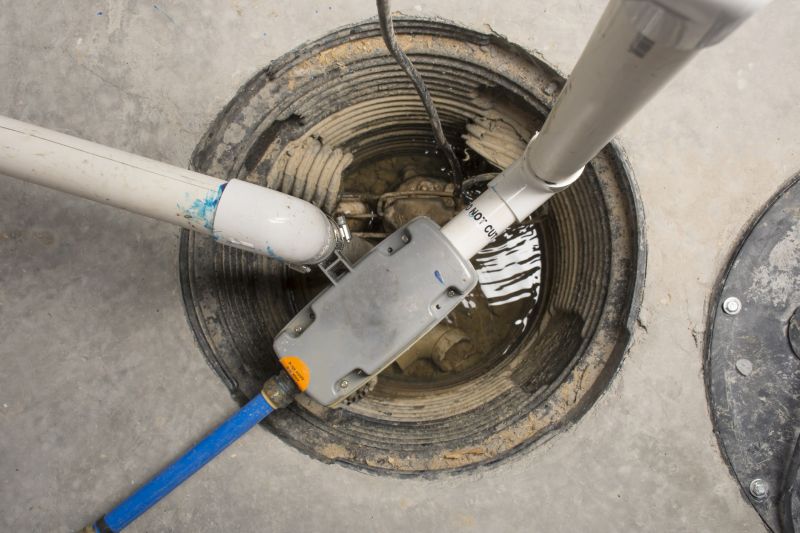
- Sump pump setup - when additional protection is needed to remove water from a basement.
- Foundation drainage solutions - for homes experiencing persistent dampness or structural concerns.
- Egress window drainage - to ensure proper water management around basement egress installations.
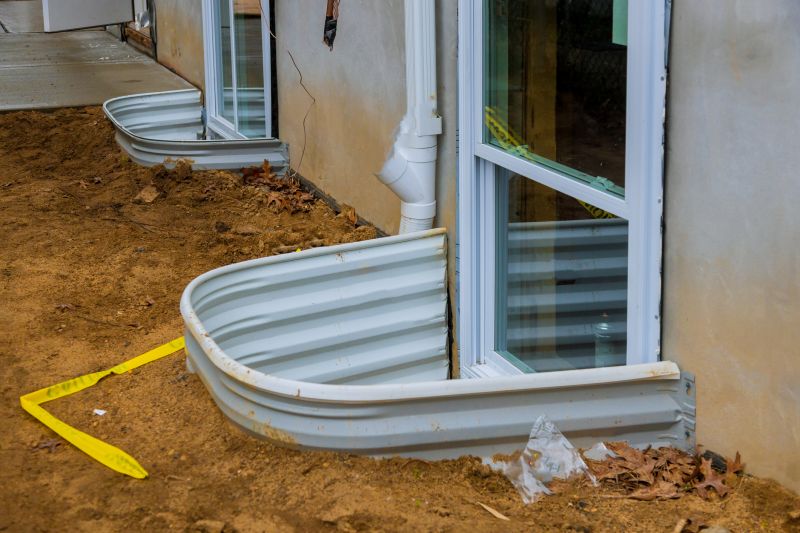
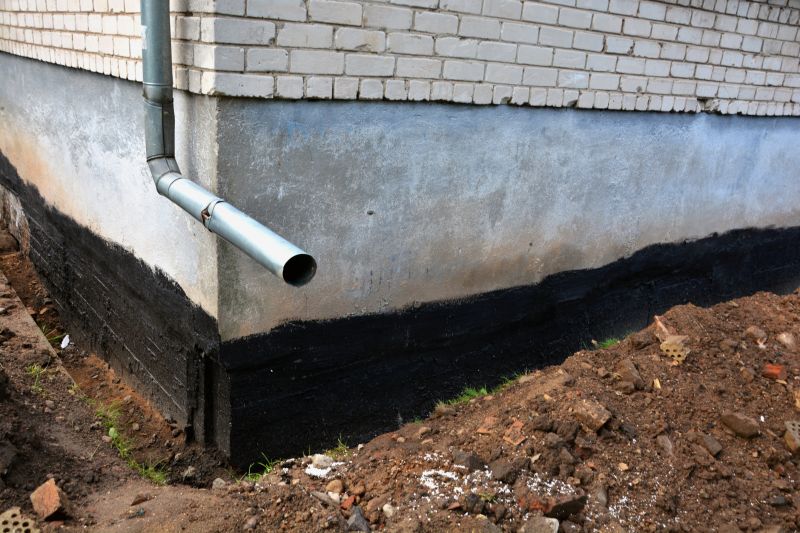
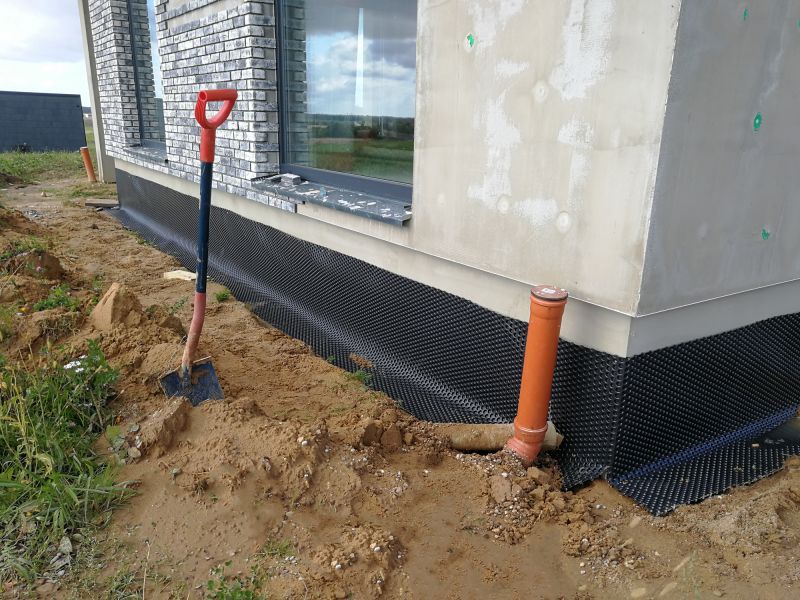
Basement drainage installation involves setting up systems designed to manage excess water around a property's foundation. This service typically includes installing drainage pipes, sump pumps, and other components to direct water away from the basement walls and floor. Proper installation helps prevent water from seeping through foundation cracks or pooling around the foundation, reducing the risk of water damage, mold growth, and structural issues. By establishing an effective drainage system, homeowners can protect their property from the costly consequences of basement flooding and moisture buildup.
Many common problems can be addressed through basement drainage solutions. These include persistent dampness or water stains on basement walls, musty odors, and visible signs of water infiltration after heavy rains. Without proper drainage, these issues can worsen over time, leading to potential foundation weakening and increased repair costs. Installing a reliable drainage system helps manage groundwater and surface water, providing a barrier against moisture intrusion. This service is especially valuable in areas with high rainfall, poor soil drainage, or properties situated on slopes where water tends to collect near the foundation.
Basement drainage installation services are often sought for residential properties, including single-family homes, townhouses, and multi-unit buildings. Homeowners who notice signs of moisture problems or want to safeguard their investment may consider these systems as a preventative measure. Additionally, properties with basements that are used for living space, storage, or other purposes benefit from effective drainage to maintain a dry and healthy environment. Commercial buildings and rental properties may also require drainage solutions to comply with building standards and ensure tenant safety.
Local contractors who specialize in basement drainage installation can assess individual property needs and recommend appropriate systems. They handle tasks such as evaluating soil conditions, designing custom drainage plans, and installing the necessary components to ensure proper water management. Contacting experienced service providers can help determine the most suitable drainage solutions for specific property types and conditions. Proper installation by skilled professionals can provide long-term protection against water-related issues, helping maintain the integrity and value of the property.
The overview below groups typical Basement Drainage Installation projects into broad ranges so you can see how smaller, mid-sized, and larger jobs often compare in your area.
In many markets, a large share of routine jobs stays in the lower and middle ranges, while only a smaller percentage of projects moves into the highest bands when the work is more complex or site conditions are harder than average.
Smaller Repairs - Typically, minor drainage fixes or sealing work cost between $250 and $600. Many routine jobs fall within this range, covering simple repairs or adjustments by local contractors.
Standard Drainage Installations - Installing new drainage systems or upgrading existing ones usually ranges from $1,000 to $3,000. Most projects of this scope are completed within this band, depending on the property size and complexity.
Full Basement Drainage System Replacement - Replacing an entire drainage system can cost between $4,000 and $8,000. Larger or more complex projects tend to reach the higher end of this range, though many fall in the middle.
Large or Custom Drainage Solutions - Custom or extensive drainage solutions for challenging properties can exceed $10,000, with some specialized projects reaching $15,000 or more. These are less common but are handled by experienced local service providers for complex needs.
Actual totals will depend on details like access to the work area, the scope of the project, and the materials selected, so use these as general starting points rather than exact figures.
Foundation Waterproofing - local contractors often perform waterproofing projects that require similar drainage planning and sealing techniques to prevent water intrusion.
French Drain Installation - installing French drains involves similar trenching, grading, and drainage system setup as basement drainage solutions.
Sump Pump System Installation - setting up sump pumps requires understanding of drainage pathways and water removal methods akin to basement drainage work.
Crawl Space Drainage - managing moisture and water in crawl spaces involves comparable skills in drainage planning and waterproofing methods.
Retaining Wall Drainage - designing and installing drainage behind retaining walls shares techniques used in basement drainage to manage water flow and pressure.
Exterior Drainage Systems - installing surface and subsurface drainage around properties involves similar tools and planning as basement drainage installation.
When evaluating contractors for basement drainage installation, it's important to consider their experience with similar projects. Homeowners should look for service providers who have a proven track record in installing effective drainage systems in environments comparable to their own. This can help ensure that the contractor understands the specific challenges of the space, such as soil conditions or existing foundation features, and can recommend appropriate solutions based on past work.
Clear, written expectations are essential to a successful project. Homeowners are encouraged to seek out local contractors who can provide detailed scope of work, materials to be used, and a transparent outline of the process. Having this information in writing helps prevent misunderstandings and ensures that both parties are aligned on project goals, timelines, and responsibilities from the outset.
Reputable references and good communication are also key factors to consider. Service providers who can offer references from previous clients allow homeowners to verify the quality of their work and professionalism. Additionally, contractors who communicate clearly and promptly can facilitate a smoother project experience, making it easier to address questions or concerns as they arise. These qualities help homeowners feel confident in selecting a dependable professional for their basement drainage needs.
Property owners use Basement Drainage Installation services for practical projects around their homes and businesses. This guide focuses on everyday jobs and straightforward project options.
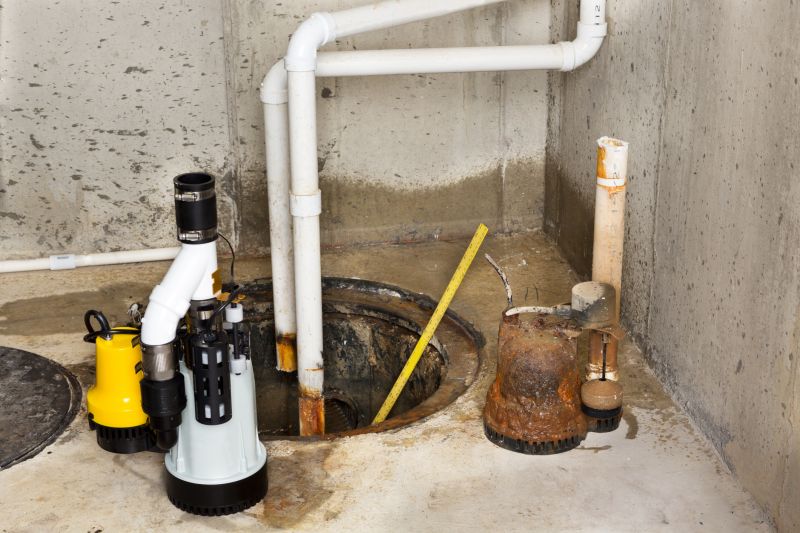
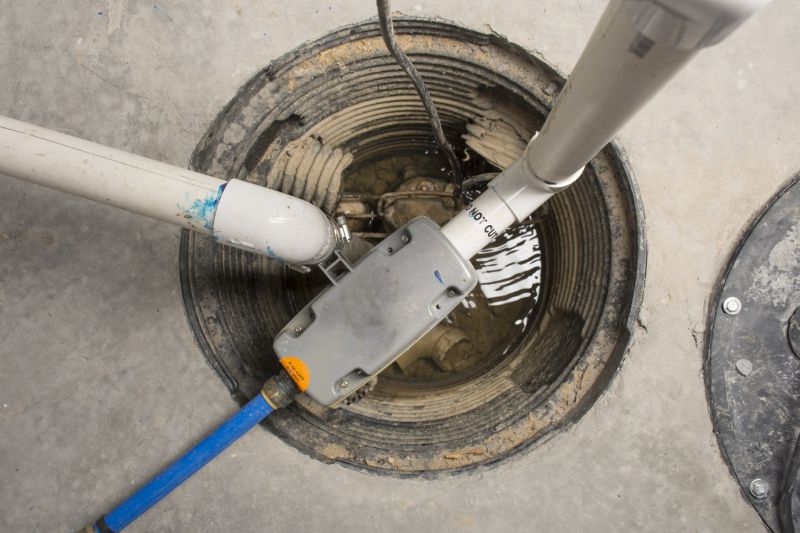
Basement drainage installation is a common project for property owners dealing with persistent water issues or signs of excess moisture in their lower levels. Homeowners may seek these services after experiencing flooding during heavy rains, noticing damp or moldy walls, or wanting to prevent future water damage. Local contractors can assess the specific drainage needs of a property and recommend solutions that help keep basements dry and protected from water intrusion.
Many property owners look for basement drainage services as part of ongoing home maintenance or renovation plans. Whether upgrading an aging drainage system or installing new solutions in a newly finished basement, local service providers can handle a range of installation needs. These projects often arise from a desire to improve indoor air quality, safeguard belongings, or enhance overall home durability against water-related issues.
What is basement drainage installation? Basement drainage installation involves setting up systems designed to prevent water from accumulating or seeping into the basement, helping to keep the area dry and protected from water damage.
How do local contractors install basement drainage systems? Contractors typically assess the property's drainage needs, then install drainage pipes, sump pumps, or waterproof membranes to direct water away from the basement effectively.
What types of basement drainage solutions are available? Common solutions include interior drainage systems, exterior waterproofing, sump pump installation, and French drains, each suited to different basement conditions.
Why should homeowners consider professional basement drainage installation? Professional installation ensures the system is correctly designed and installed, reducing the risk of water issues and potential damage over time.
How can I find local service providers for basement drainage installation? This website helps connect homeowners with trusted local contractors who specialize in basement drainage systems, allowing for comparison and selection based on individual needs.
Basement Drainage System Installation - Installing an effective drainage system helps prevent water buildup and reduces the risk of flooding during heavy rains.
Foundation Waterproofing Solutions - Proper waterproofing can protect a basement from moisture intrusion, keeping the space dry and usable.
Drainage Maintenance and Repairs - Regular inspections and repairs ensure existing drainage systems function properly and prevent costly water damage.
Erosion Control and Yard Drainage - Improving yard drainage directs water away from the foundation, helping maintain a stable and dry basement environment.
If you are thinking about Basement Drainage Installation for a property, this guide is meant to help you understand the work, the typical project types, and how different options might fit your plans.
When you are ready, you can use the quote form on this page to share a few details about your project. From there, local pros can review the basics and respond with options that match what you have in mind.